Archives 2026

Cold Storage Warehouse Planning for Better Inventory Flow
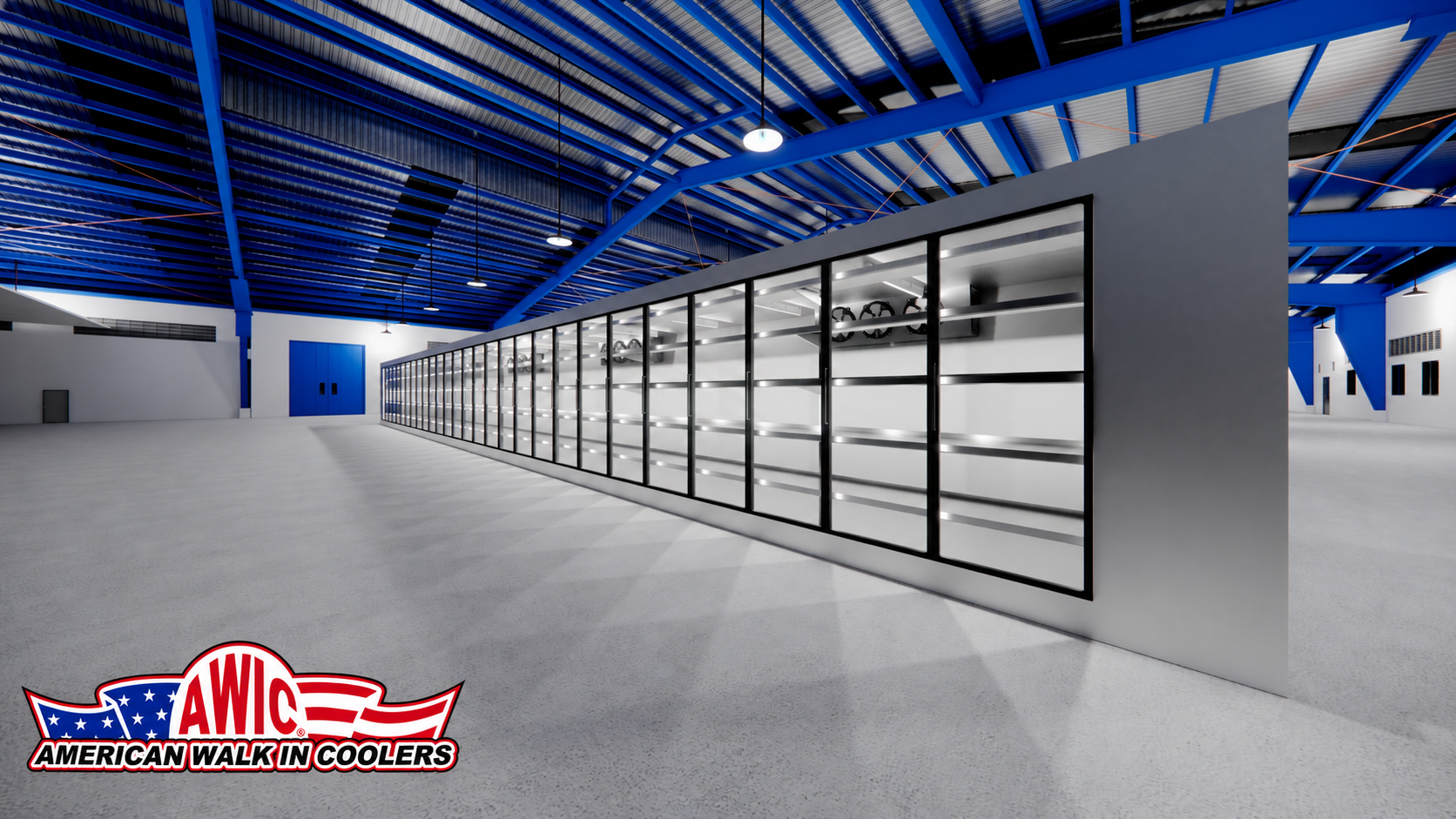
Cold storage warehouse planning connects usable storage space, product requirements, inventory records, and the movement of goods. Start with what you store, how much arrives during busy periods, and how quickly orders leave. Then design a layout that keeps stock accessible while supporting the required storage conditions.

For food businesses, adding refrigeration alone does not resolve misplaced pallets or delayed dispatch. A practical plan joins the physical facility to the daily receiving, picking, and monitoring routines.

Start cold storage warehouse planning with peak inventory

Size the operation around its busiest realistic inventory period, rather than an average day. Record product categories, pallet dimensions, delivery frequency, storage duration, and expected order volumes before discussing room dimensions.

The USDA NASS Cold Storage survey publishes monthly information covering about 150 items, with holdings measured at the previous month’s end. That provides industry supply context; it does not show the available space in your facility.

As an illustrative example, 40 occupied pallet positions plus eight incoming pallets require 48 positions before allowing for separate holding areas. This is a planning example, not a sizing standard; aisles, equipment access, and airflow also need space.

Bring this inventory profile to a discussion about American Walk-In Coolers cold storage solutions. Ask the supplier to distinguish the enclosure’s overall dimensions from its usable storage layout.

Give every movement a defined route

Receiving, storage, picking, and dispatch should form an understandable sequence. Mark these activities on the layout before placing racks, and identify where deliveries might collide with outgoing orders.

Use this practical four-stage checklist:

Stage Question to resolve
Receive Where will staff check quantities, packaging, and delivery records?
Store Can workers identify and reach the correct pallet location?
Pick Can orders be assembled without blocking storage access?
Dispatch Where will completed orders wait under appropriate conditions?


Keep a designated holding location for stock awaiting a decision, so it cannot be picked accidentally. Its conditions must suit the product; an unconditioned loading area is not automatically suitable overflow storage.

Make inventory records follow the stock

Cold storage inventory management works best when a physical movement creates a corresponding record. Give each storage location a clear identifier, and record product, quantity, lot information, and relevant dates when goods arrive.

SAP’s warehouse management guidance describes barcode-supported inventory visibility and picking priorities for date-restricted stock. Those capabilities help explain what to assess when comparing a warehouse management system, rather than assuming every software package does the same job.

Choose stock-rotation rules around product instructions and customer requirements. Where applicable, prioritize the earliest relevant date among stock approved for dispatch; arrival order alone may not reflect remaining shelf life.

Run small, scheduled inventory checks and investigate differences. A scanner cannot correct a pallet moved to another aisle without an updated location record.

Match the enclosure to the operating conditions

Refrigeration design must reflect the product and workload. FAO’s produce-storage guidance identifies door openings, incoming product, and equipment as contributors to the cooling load, alongside heat entering through the enclosure.

For produce specifically, FAO also explains that suitable temperature and humidity vary by crop. Avoid treating a single thermostat setting as suitable for every product category.

When reviewing efficient cold storage warehouse solutions, ask how door arrangements, panel construction, refrigeration selection, and usable capacity fit your operating brief. AWIC’s warehouse page describes insulated sliding doors and refrigeration options; confirm the configuration in a written proposal.

Agree who reviews temperature records, receives alerts, and responds when readings move outside the product’s required conditions. Keep the response procedure accessible during every operating shift.

Measure performance before expanding

Use operating records to identify whether the constraint is space, stock accuracy, or handling. Track occupied pallet positions, picking errors, inventory discrepancies, and delays between receiving and put-away.

Compare similar operating periods. Repeated congestion may call for a revised delivery schedule or clearer picking routes before a larger enclosure becomes the right investment.

Frequently asked questions

What information should a cold-storage planning brief include?

Include product requirements, peak quantities, pallet sizes, delivery patterns, order volumes, access needs, and the proposed stock-control process. These details give suppliers a clearer basis for design discussions.

Does more floor space always mean more usable capacity?

No. Racks, aisles, equipment clearances, and working areas affect usable capacity. Evaluate a proposed storage layout alongside the enclosure dimensions.

Can USDA cold-storage figures size my warehouse?

No. The report describes industry holdings. Your own inventory peaks, handling methods, and product requirements should guide facility sizing.

How can a business improve stock accuracy?

Label locations consistently, record receipts and movements promptly, check selected stock regularly, and investigate discrepancies. Choose software around those working procedures.

Turn the plan into an operating brief

Prepare an inventory profile, mark the receiving-to-dispatch route, and assign responsibility for stock records and temperature checks. Use that brief to compare proposals against the same requirements before ordering equipment.
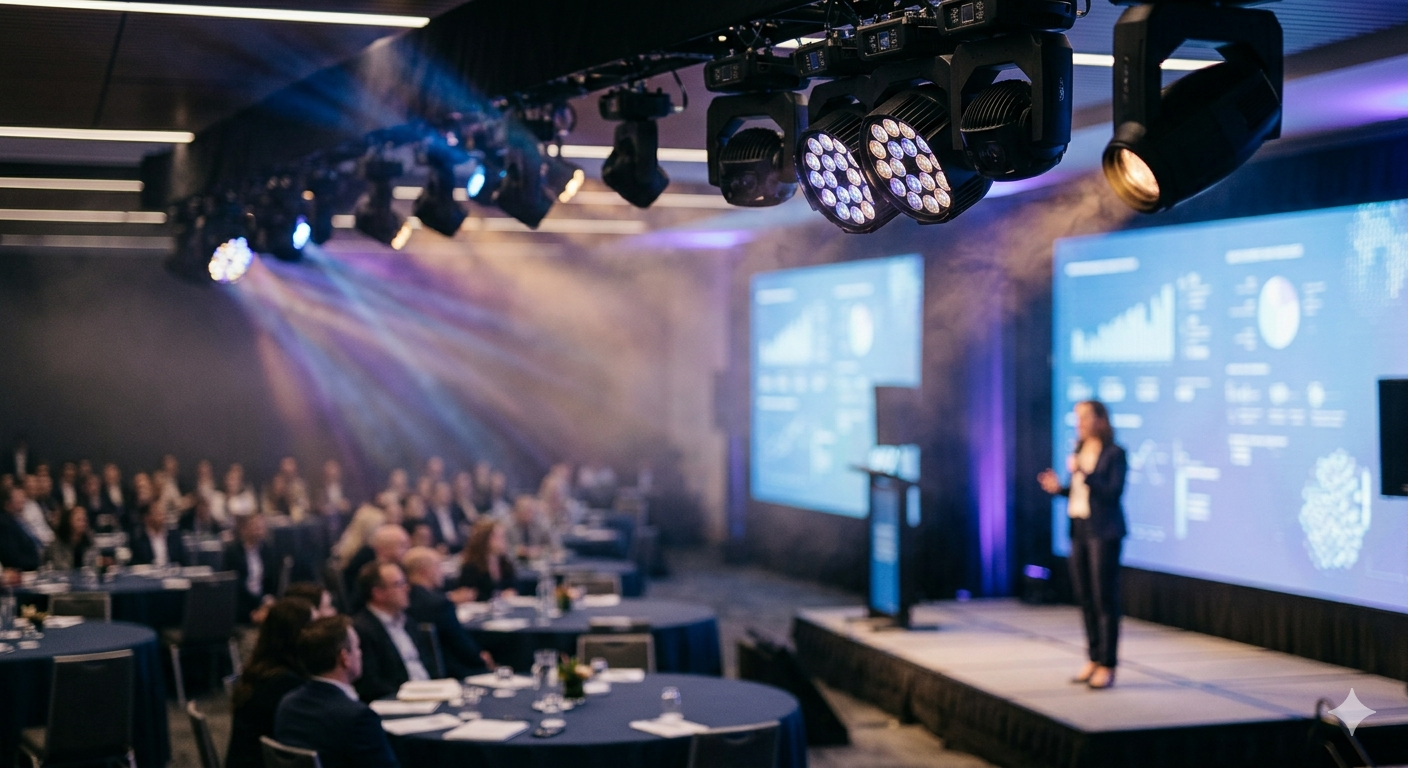
Professional stage lighting improves live events by making performers visible, shaping the mood of the venue, guiding audience attention, and making photos and videos look better. For concerts, private parties, corporate events, church productions, and creative showcases, lighting is not just decoration. It is part of the experience.

For event organizers in Southern California, working with a provider such as All American Audio Visual helps connect lighting design with the rest of the production, including sound, staging, timing, and room layout. The goal is simple: make the event look polished while keeping the audience focused on the right moments.

What does stage lighting do?

Stage lighting controls visibility, mood, movement, and attention during a live event. It helps the audience see speakers, performers, DJs, bands, dancers, and presenters clearly. It also creates atmosphere by using color, brightness, direction, and timing.

A basic lighting setup may include front lights, wash lights, uplights, moving heads, and control systems. A more advanced setup may include programmed scenes, color changes, dimming cues, and synchronized lighting transitions.

In 2026, event lighting is also important for content creation. Guests often record clips for social media, and poor lighting can make even a well-planned event look flat or unprofessional.

Why is lighting important for live events?

Lighting is important because it changes how people feel inside the venue. Bright, even lighting can make a business presentation feel clear and professional. Colorful moving lights can make a concert or party feel energetic. Soft uplighting can make a wedding, gala, or private event feel warm and premium.

AVIXA’s market research shows the global pro AV industry is a major and growing category, with revenue forecast to reach $402 billion by 2030. That growth includes demand for AV systems used in venues, events, corporate spaces, and live experiences.

That matters because modern events compete with screens, social media, and high audience expectations. People expect events to look good in person and on camera.

What types of stage lights are commonly used?

Common stage lights include wash lights, moving heads, uplights, spotlights, PAR lights, LED bars, and effect lighting. Each light has a different purpose, and the best setup depends on the event type and venue size.

Lighting Type Best Use
PAR lights General stage wash and color
Moving heads Motion, energy, and dynamic effects
Uplights Walls, décor, and room atmosphere
Spotlights Speakers, performers, and key moments
LED bars Background lighting and visual texture
Blacklights UV parties and glow effects

For organizers comparing equipment, professional stage lighting rental los angeles services can help match fixtures to the venue instead of renting lights blindly.

When should you rent professional stage lighting?

You should rent professional stage lighting when the event includes a stage, performance, speech, DJ, band, dance floor, product reveal, award ceremony, or any moment that needs visual focus. Professional lighting is also useful when photos and videos are important.

Renting makes sense when:

  1. The event is larger than a small private gathering.
  2. The venue has poor built-in lighting.
  3. Speakers or performers need to be clearly visible.
  4. You want brand colors or mood lighting.
  5. There will be photography or video.
  6. You need safe setup and teardown.

OSHA guidance for temporary event-related electrical installations highlights that temporary lighting and wiring must be installed securely and protected from physical damage where needed.

That is one reason lighting should not be treated casually. Good lighting is creative, but it also needs safe placement, cabling, and power planning.

How do lighting and sound work together?

Lighting and sound work together by controlling the audience’s energy and attention. Sound delivers the message or music, while lighting tells people where to look and how to feel. A great event usually needs both systems planned together.

For example:

  • A keynote needs clear front lighting and strong speech audio.
  • A DJ party needs dance-floor sound and moving lighting.
  • A live band needs stage wash, backlighting, and balanced speakers.
  • A product launch needs reveal lighting and microphone clarity.

This is why professional event production teams think beyond “lights only.” They plan how lighting interacts with people, cables, speakers, staging, cameras, and venue rules.

For business event planning standards and professional event education, resources from Meeting Professionals International can also help planners understand how meetings, conferences, and live events are structured professionally.

Practical lighting framework

Use this simple framework before renting lights:

1. Purpose

Decide what the lighting must do. Is it for visibility, atmosphere, dance energy, brand color, photography, or stage focus?

2. Placement

Map where the lights will go. Poor placement can cause shadows, glare, or blocked sightlines.

3. Power

Confirm safe power access. Do not overload outlets or run loose cables through walking paths.

4. Control

Decide if lights need manual control, pre-programmed scenes, or sound-active effects.

5. Support

Choose whether you need delivery only, setup help, or an on-site lighting technician.

Stage lighting checklist

Before your event, confirm:

  1. Venue size and ceiling height
  2. Stage or performance area
  3. Number of performers or speakers
  4. Brand colors or mood colors
  5. Power outlets and cable paths
  6. Photography/video requirements
  7. Setup and teardown times
  8. Whether a technician is needed
  9. Backup lighting plan
  10. Venue restrictions

FAQs

What is stage lighting rental?

Stage lighting rental is the temporary rental of lighting equipment for performances, parties, conferences, concerts, and other events.

What lights are best for a small stage?

PAR lights, LED wash lights, and simple uplights are often enough for a small stage.

Do I need a lighting technician?

You need a technician if the event has live cues, multiple scenes, moving lights, or a complex schedule.

Can stage lights be used outdoors?

Yes, but outdoor lighting requires weather-safe planning, proper power access, and suitable equipment.

Is LED lighting better for events?

LED lighting is popular because it is efficient, flexible, bright, and available in many colors.

How many lights does an event need?

It depends on room size, stage width, ceiling height, audience layout, and desired mood.

Conclusion

Professional stage lighting makes live events more visible, memorable, and polished. It supports the performance, improves the atmosphere, and helps guests experience the event the way it was intended. Before choosing lights, match the setup to the venue, purpose, audience, and safety needs.

Why Strong Warehousing Support Matters for Growing Businesses

Temporary Warehouse Labour: Wise Solutions' Guide (2025)Modern businesses need more than products and customers. They also need reliable storage, organized inventory, smooth distribution, and a logistics process that can support growth.

When warehousing is weak, problems show up quickly. Orders slow down. Inventory becomes hard to track. Storage costs rise. Customers may also wait longer than expected.

That is why many companies now work with third-party logistics providers. The right 3PL partner can help businesses manage storage, fulfillment, transportation, and inventory flow with better control.

Warehousing Is Now a Growth Tool

Warehousing is no longer just about storing goods. It plays a major role in how fast a business can serve customers.

A strong warehouse setup helps businesses receive products, organize stock, prepare orders, and move goods to the next point in the supply chain. This helps reduce delays and improves daily operations.

For companies that sell across different regions, this support can make a major difference.

Why Businesses Use 3PL Warehousing

Many growing companies reach a point where they cannot handle logistics alone. Managing space, labor, systems, shipping, and stock control can become too expensive or too complex.

This is where 3PL warehousing services become useful.

A 3PL provider can help with:

  • Product receiving
  • Inventory storage
  • Order preparation
  • Pick and pack support
  • Distribution planning
  • Short-term storage
  • Long-term storage
  • Freight coordination
  • Warehouse reporting

This support allows businesses to focus more on sales, customers, and growth.

Better Inventory Control Reduces Waste

Inventory mistakes can hurt profit. If a business stores too much stock, it may pay more in warehouse costs. If it stores too little, it may miss sales.

Better warehouse systems help companies know what they have, where it is stored, and when it needs to move.

This improves planning. It also reduces the risk of lost products, delayed orders, and poor customer service.

Warehouse management systems help companies control daily warehouse operations from the moment goods enter a fulfillment or distribution center until they leave, according to SAP’s warehouse management system resource.

3PL Support Helps Businesses Scale

Growth creates pressure. More customers often mean more inventory, more orders, more storage needs, and more deliveries.

Without the right logistics setup, this pressure can slow a business down.

A 3PL partner gives companies access to warehouse space, handling support, transportation coordination, and logistics experience. This can help a business scale without building its own full logistics department.

For companies looking for dependable support in California, Sooner Logistics California 3PL services can help businesses improve warehousing, distribution, and supply chain operations.

Warehouse Solutions: Expert Permits & ComplianceWhy Location Matters in Logistics

Location plays a major role in warehousing and distribution. A warehouse in the right area can reduce delivery time, improve freight movement, and make inventory easier to manage.

This matters for companies serving California, Southern California, Los Angeles, Ventura County, and nearby business markets.

A smart warehouse location can help reduce unnecessary transport delays. It can also make it easier to reach customers, retailers, suppliers, and distribution points.

Warehousing and Transportation Work Together

Warehousing and transportation should not operate separately. A business may have good storage, but if transportation is weak, orders can still move slowly.

The best logistics setup connects storage, handling, fulfillment, and transportation. This creates a smoother flow from warehouse to destination.

When these services work together, businesses can reduce bottlenecks and improve customer satisfaction.

Final Thoughts

Strong warehousing support gives growing businesses better control over inventory, storage, fulfillment, and distribution. It also helps reduce delays and improve planning. For companies that want to grow without losing control of logistics, working with the right 3PL partner can be a smart business decision. This article is published by Casa Postal, a business-focused platform that shares practical ideas on operations, growth, and service efficiency.