
Cold Storage Warehouse Planning for Better Inventory Flow
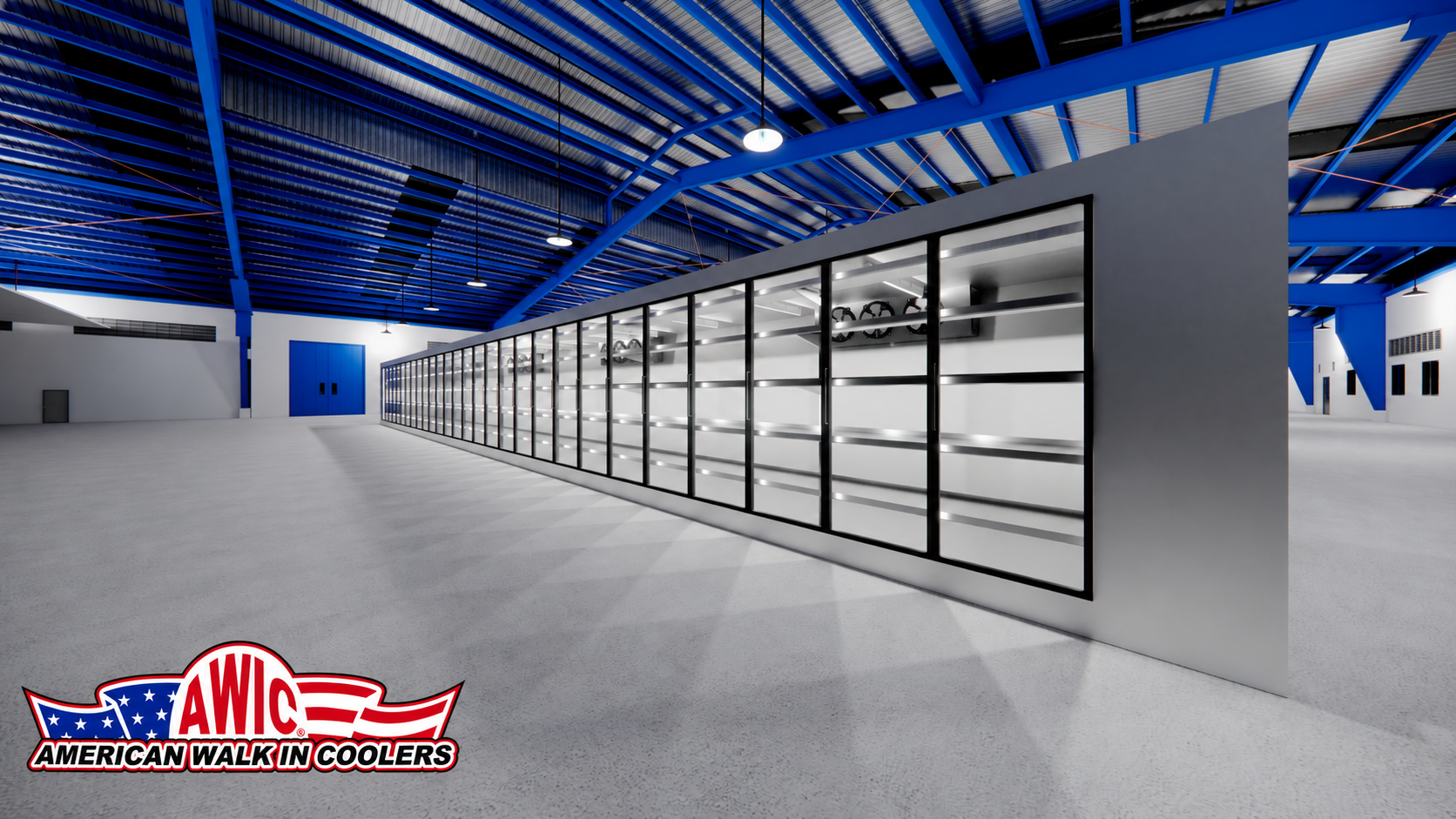 Cold storage warehouse planning connects usable storage space, product requirements, inventory records, and the movement of goods. Start with what you store, how much arrives during busy periods, and how quickly orders leave. Then design a layout that keeps stock accessible while supporting the required storage conditions.
For food businesses, adding refrigeration alone does not resolve misplaced pallets or delayed dispatch. A practical plan joins the physical facility to the daily receiving, picking, and monitoring routines.
Start cold storage warehouse planning with peak inventory
Size the operation around its busiest realistic inventory period, rather than an average day. Record product categories, pallet dimensions, delivery frequency, storage duration, and expected order volumes before discussing room dimensions.
The USDA NASS Cold Storage survey publishes monthly information covering about 150 items, with holdings measured at the previous month’s end. That provides industry supply context; it does not show the available space in your facility.
As an illustrative example, 40 occupied pallet positions plus eight incoming pallets require 48 positions before allowing for separate holding areas. This is a planning example, not a sizing standard; aisles, equipment access, and airflow also need space.
Bring this inventory profile to a discussion about American Walk-In Coolers cold storage solutions. Ask the supplier to distinguish the enclosure’s overall dimensions from its usable storage layout.
Give every movement a defined route
Receiving, storage, picking, and dispatch should form an understandable sequence. Mark these activities on the layout before placing racks, and identify where deliveries might collide with outgoing orders.
Use this practical four-stage checklist:
| Stage | Question to resolve |
| Receive | Where will staff check quantities, packaging, and delivery records? |
| Store | Can workers identify and reach the correct pallet location? |
| Pick | Can orders be assembled without blocking storage access? |
| Dispatch | Where will completed orders wait under appropriate conditions? |
Keep a designated holding location for stock awaiting a decision, so it cannot be picked accidentally. Its conditions must suit the product; an unconditioned loading area is not automatically suitable overflow storage.
Make inventory records follow the stock
Cold storage inventory management works best when a physical movement creates a corresponding record. Give each storage location a clear identifier, and record product, quantity, lot information, and relevant dates when goods arrive.
SAP’s warehouse management guidance describes barcode-supported inventory visibility and picking priorities for date-restricted stock. Those capabilities help explain what to assess when comparing a warehouse management system, rather than assuming every software package does the same job.
Choose stock-rotation rules around product instructions and customer requirements. Where applicable, prioritize the earliest relevant date among stock approved for dispatch; arrival order alone may not reflect remaining shelf life.
Run small, scheduled inventory checks and investigate differences. A scanner cannot correct a pallet moved to another aisle without an updated location record.
Match the enclosure to the operating conditions
Refrigeration design must reflect the product and workload. FAO’s produce-storage guidance identifies door openings, incoming product, and equipment as contributors to the cooling load, alongside heat entering through the enclosure.
For produce specifically, FAO also explains that suitable temperature and humidity vary by crop. Avoid treating a single thermostat setting as suitable for every product category.
When reviewing efficient cold storage warehouse solutions, ask how door arrangements, panel construction, refrigeration selection, and usable capacity fit your operating brief. AWIC’s warehouse page describes insulated sliding doors and refrigeration options; confirm the configuration in a written proposal.
Agree who reviews temperature records, receives alerts, and responds when readings move outside the product’s required conditions. Keep the response procedure accessible during every operating shift.
Measure performance before expanding
Use operating records to identify whether the constraint is space, stock accuracy, or handling. Track occupied pallet positions, picking errors, inventory discrepancies, and delays between receiving and put-away.
Compare similar operating periods. Repeated congestion may call for a revised delivery schedule or clearer picking routes before a larger enclosure becomes the right investment.
Frequently asked questions
What information should a cold-storage planning brief include?
Include product requirements, peak quantities, pallet sizes, delivery patterns, order volumes, access needs, and the proposed stock-control process. These details give suppliers a clearer basis for design discussions.
Does more floor space always mean more usable capacity?
No. Racks, aisles, equipment clearances, and working areas affect usable capacity. Evaluate a proposed storage layout alongside the enclosure dimensions.
Can USDA cold-storage figures size my warehouse?
No. The report describes industry holdings. Your own inventory peaks, handling methods, and product requirements should guide facility sizing.
How can a business improve stock accuracy?
Label locations consistently, record receipts and movements promptly, check selected stock regularly, and investigate discrepancies. Choose software around those working procedures.
Turn the plan into an operating brief
Prepare an inventory profile, mark the receiving-to-dispatch route, and assign responsibility for stock records and temperature checks. Use that brief to compare proposals against the same requirements before ordering equipment.